
You Have to Feel It to Be Free: Why Avoided Emotions Always Return
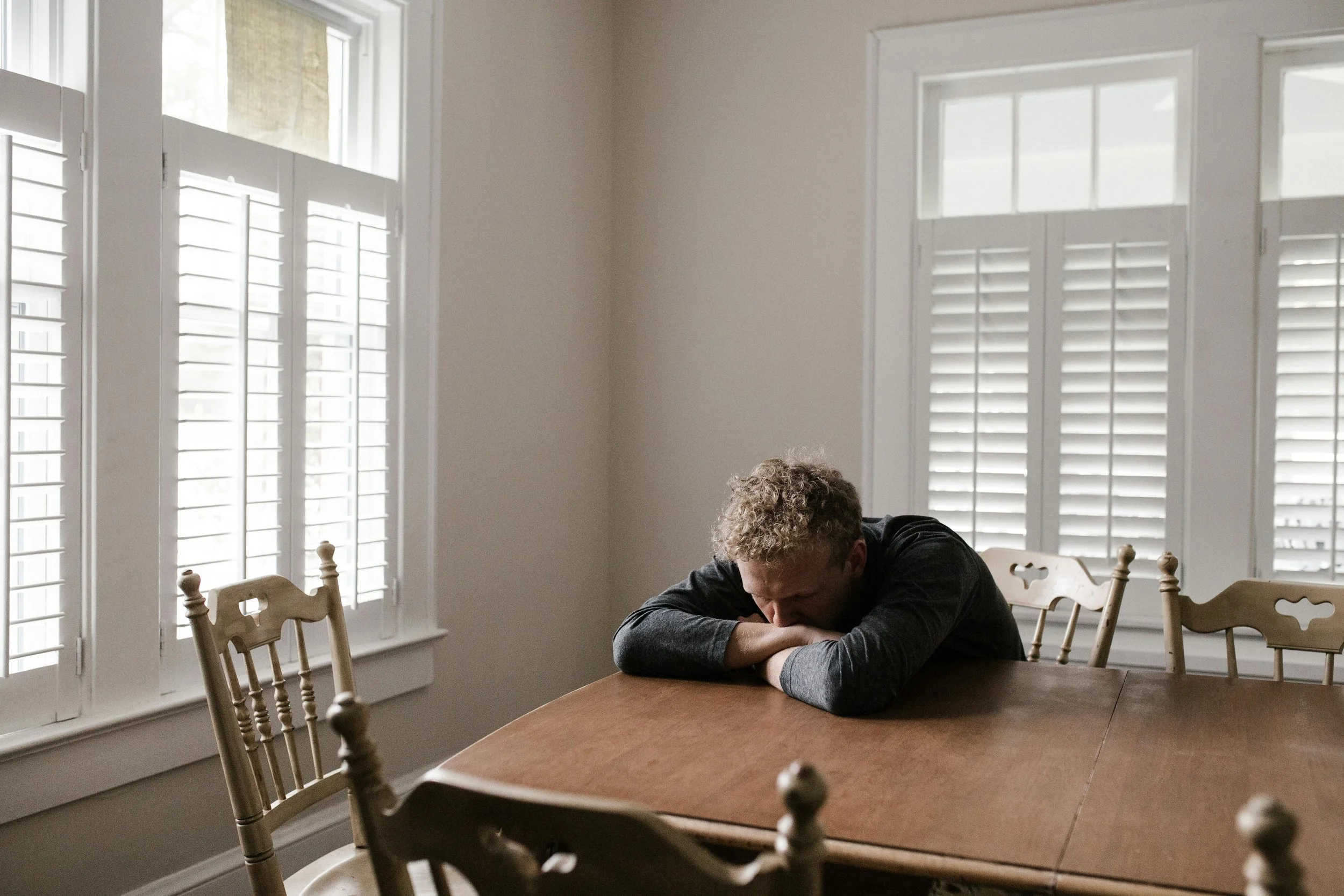
There’s a belief many of us carry — quietly, unconsciously — that if we don’t look too closely at our feelings, they’ll eventually disappear.
That if we stay busy enough, productive enough, strong enough, the ache will soften on its own.
That if we tell ourselves we’re okay enough times, it might become true.
So we keep moving.
We keep functioning.
We keep smiling.
We keep showing up.
And on the surface, it looks like resilience.
But inside, something remains unfinished.
Because emotions that aren’t felt don’t dissolve.
They wait.
They wait in the body.
They wait in the nervous system.
They wait in your reactions, your exhaustion, your relationships, your dreams.
And eventually — they come back.
Not because you failed to cope, but because you skipped the part where you were meant to feel.
Sitting With Psalm 34:18
“The Lord is close to the brokenhearted.” — Psallm 34:18
Not the numbed.
Not the distracted.
Not the ones who insist they’re fine.
The brokenhearted.
Scripture does not tell us to bypass pain to be faithful.
It tells us that God draws near to it.
There is no holiness in pretending you’re okay when you’re not.
There is no strength in denying grief, anger, fear, or sadness.
There is no virtue in emotional disappearance.
God does not rush healing.
He sits with what hurts.
And sometimes the most spiritual thing you can do is stop running from what you feel and allow yourself to be fully human.
Walking With the Stoics
Stoicism is often misunderstood as emotional suppression.
But true Stoicism is about honest engagement with reality — not denial.
Marcus Aurelius wrote: “If you are distressed by anything external, the pain is not due to the thing itself, but to your estimate of it.”
The Stoics didn’t believe emotions were weaknesses —
they believed clarity came from observing emotions rather than being ruled by them.
They understood something important: What you resist internally doesn’t disappear — it gains power.
Stoicism teaches:
Feel the emotion.
Name it accurately.
Let it move through you.
Don’t build your identity around it — but don’t exile it either.
Avoidance is not mastery.
Awareness is.
And freedom comes not from bypassing emotion, but from allowing it to pass through without becoming stuck.
The Inner Work
There is a difference between:
pausing emotions temporarily, and
burying them indefinitely.
Healthy compartmentalization sounds like:
“I don’t have capacity to process this right now.”
“I’ll return to this when I’m safer, steadier, or supported.”
“I’m choosing to function now — not erase this forever.”
Suppression sounds like:
“I’m fine.”
“It’s not a big deal.”
“Others have it worse.”
“I don’t need to feel this.”
“If I ignore it, it’ll go away.”
The body knows the difference.
When emotions are temporarily set aside with intention, they soften when you return to them.
When emotions are pushed down with the hope they’ll disappear, they resurface sideways:
as anxiety
as irritability
as burnout
as numbness
as resentment
as emotional shutdown
as repeating patterns in relationships
Avoided emotions don’t vanish. They relocate.
Why We Learn to Push Feelings Away
Many of us learned early that:
our feelings were inconvenient
our sadness overwhelmed others
our anger wasn’t safe
our grief made people uncomfortable
our needs were “too much”
So we adapted.
We learned to be functional instead of honest.
Helpful instead of vulnerable.
Strong instead of expressive.
But emotional maturity is not the absence of feeling.
It’s the ability to sit with what’s real without abandoning yourself.
You don’t move on by skipping grief.
You move on by moving through it.
The Cost of Pretending You’re Okay
When emotions are consistently suppressed, you may notice:
feeling stuck in relationships long after they end
repeating the same dynamics
feeling emotionally disconnected
difficulty trusting yourself
sudden emotional waves that feel “out of nowhere”
a sense that you’ve healed — but not really
exhaustion you can’t explain
This isn’t because you’re broken.
It’s because something in you is asking to be acknowledged.
Unfelt emotions keep us tethered to people, situations, and versions of ourselves long after they’re gone.
Feeling is what loosens the grip.
What It Actually Means to Feel to Be Free
Feeling doesn’t mean:
wallowing
staying stuck
dramatizing
losing control
reliving the pain forever
Feeling means:
allowing sadness to have its voice
letting anger clarify your boundaries
letting grief honour what mattered
letting fear show you what needs safety
letting disappointment teach you discernment
You don’t have to understand your emotions right away.
You just have to stop silencing them.
Emotions complete their cycle when they are felt, named, and allowed to pass.
That’s how you release:
people
relationships
versions of yourself
expectations
dreams that didn’t come true
You don’t “get over” things by ignoring them.
You get free by letting them move through you.
A Moment for Reflection
Ask yourself gently:
What emotions have I been avoiding because they felt inconvenient or overwhelming?
Where have I told myself I’m okay when I’m not?
What feelings keep resurfacing because they’ve never been given space?
What would it look like to feel this — without rushing myself to fix it?
What might I be able to release if I allowed myself to feel fully?
You don’t need to do this all at once.
You don’t need to dive into everything at the same time.
You just need honesty.
A Gentle Reframe
Healing doesn’t come from pretending you’re okay.
It comes from trusting yourself enough to admit when you’re not.
You don’t have to drown in your emotions —
but you do have to stop running from them.
Because the more you feel, the lighter you become.
And freedom is not found in avoidance — it’s found in allowing yourself to be fully human.
🌿 Ready to Begin the Inner Alignment Work?
If you’ve been carrying unprocessed emotions, unfinished grief, or the sense that something still has a hold on you, therapy can offer a grounded space to feel, process, and release — at your pace.
I’m currently accepting new virtual clients across:
Ontario, Alberta, British Columbia, Saskatchewan, Manitoba, Yukon, and the Northwest Territories.
Book a complimentary 20-minute consultation:
👉 samacounselling.janeapp.com
